


7 Warning Signs of a Weak Car Battery & How to Prevent Breakdown
As a car owner, one of the most frustrating and potentially costly issues you can face is a weak or dying battery. It often strikes at the worst time—leaving you stranded, late for an appointment, or in need of a tow. Thankfully, your battery rarely fails without warning. If you know what to look for, you can spot the signs early and avoid the inconvenience of a dead battery.
In this guide, we’ll explore the 7 most common symptoms of a weak car battery, what causes them, and how to respond before you’re left on the roadside. Whether you’re a daily commuter, long-distance driver, or weekend motorist, this post will help you keep your vehicle’s electrical system in top shape.
1. Slow Engine Cranking
When you turn the key or press the start button, the engine should crank quickly and start without hesitation. If it cranks slowly or seems to struggle before starting, this is one of the earliest and most common signs of a weakening battery.
Why this happens:
A battery that’s losing charge can’t provide enough current to the starter motor. Cold mornings may make the problem worse, as batteries lose power in lower temperatures.
What to do:
Schedule a battery test immediately. A battery that’s slow to start your car today might fail completely tomorrow.
2. Dimming Headlights and Interior Lights
Have you noticed your headlights or dashboard lights flicker or appear dimmer than usual, especially when idling at traffic lights?
Why this happens:
Your battery is responsible for supplying voltage to your vehicle’s entire electrical system. When the battery is weak, it may not deliver consistent voltage to the lights, resulting in dimming or flickering.
What to do:
Have the battery and alternator tested. Dimming lights could also indicate a charging system problem.
3. Battery Warning Light on the Dashboard
Modern cars are equipped with a battery or charging system warning light on the dashboard. If this light turns on while you’re driving, it’s an alert you shouldn’t ignore.
Why this happens:
This usually signals an issue with the battery, alternator, or the connection between them. It might also be due to a slipping serpentine belt or loose terminal.
What to do:
Stop by a trusted garage or Amaron Kenya service center to check the electrical system immediately.
4. Frequent Need for Jump-Starts
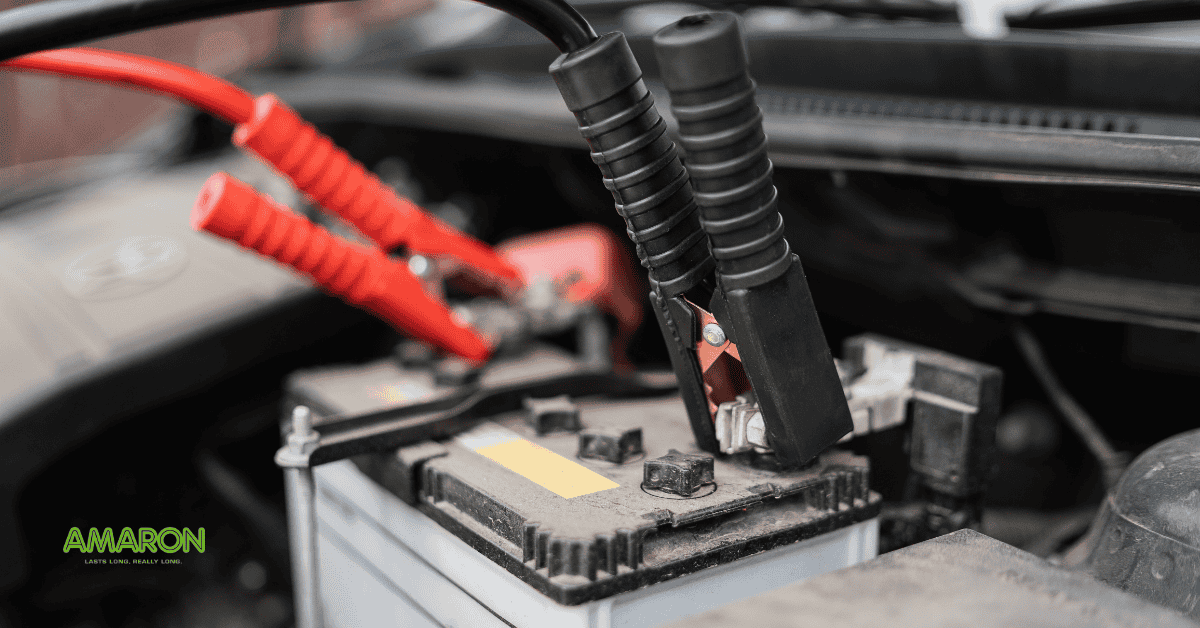
Needing a jump-start every now and then is okay—but if you’re pulling out jumper cables every few days, something’s definitely wrong.
Why this happens:
The battery may not be holding charge due to internal damage, age, or sulfation (a buildup of lead sulfate crystals). It could also indicate a parasitic drain from a faulty component.
What to do:
Have both your battery and alternator tested. If either fails, replace them promptly to avoid further damage.
5. Corrosion or Build-Up Around Terminals
A quick visual check under your car’s hood can reveal a lot. If you see a white, bluish, or greenish substance on the battery terminals, you’re looking at corrosion.
Why this happens:
Corrosion forms due to the release of hydrogen gas from the acid inside the battery. It can weaken the connection between the battery and your vehicle’s wiring, resulting in power delivery issues.
What to do:
Clean terminals using a baking soda and water paste, then rinse and dry. Apply petroleum jelly or anti-corrosion spray to protect the contacts.
6. Swollen Battery Case or Leaking Fluid
Look closely at the physical condition of your battery. A bloated or swollen case, or visible leakage of fluid, is a sign that the battery is overheating or overcharging.
Why this happens:
Extreme heat or a faulty alternator can cause internal pressure to build up, deforming the battery case. Leaking acid poses a serious safety risk and can damage surrounding parts.
What to do:
Stop using the battery immediately and have it replaced. Never attempt to jump-start or charge a visibly damaged battery.
7. Battery Age (3–5 Years Old)
Even with perfect maintenance, no battery lasts forever. Most car batteries in Kenya have a lifespan of about 3 to 5 years, depending on climate, usage, and vehicle type.
What to do:
If your battery is more than three years old, get it tested annually. Proactive replacement reduces the risk of failure in critical moments.
Next Steps: What Should You Do If You Notice These Signs?
If you’re experiencing one or more of these symptoms:
-
Have your battery tested at an authorized Amaron dealer.
-
Avoid driving with a weak battery—this can strain the alternator and other electronic components.
-
Consider replacing your battery before it fails completely to avoid getting stuck.
Conclusion
Recognizing the signs of a weak car battery can save you time, money, and stress. From slow starts to dashboard warnings, your car often tells you what it needs—you just need to listen. Don’t wait for a complete breakdown. If your battery is acting up or is nearing the end of its life, take action now. Visit Amaron Kenya for expert battery care and reliable replacement solutions.
